
How Cash for Gold Companies Repurpose Valuable Belongings
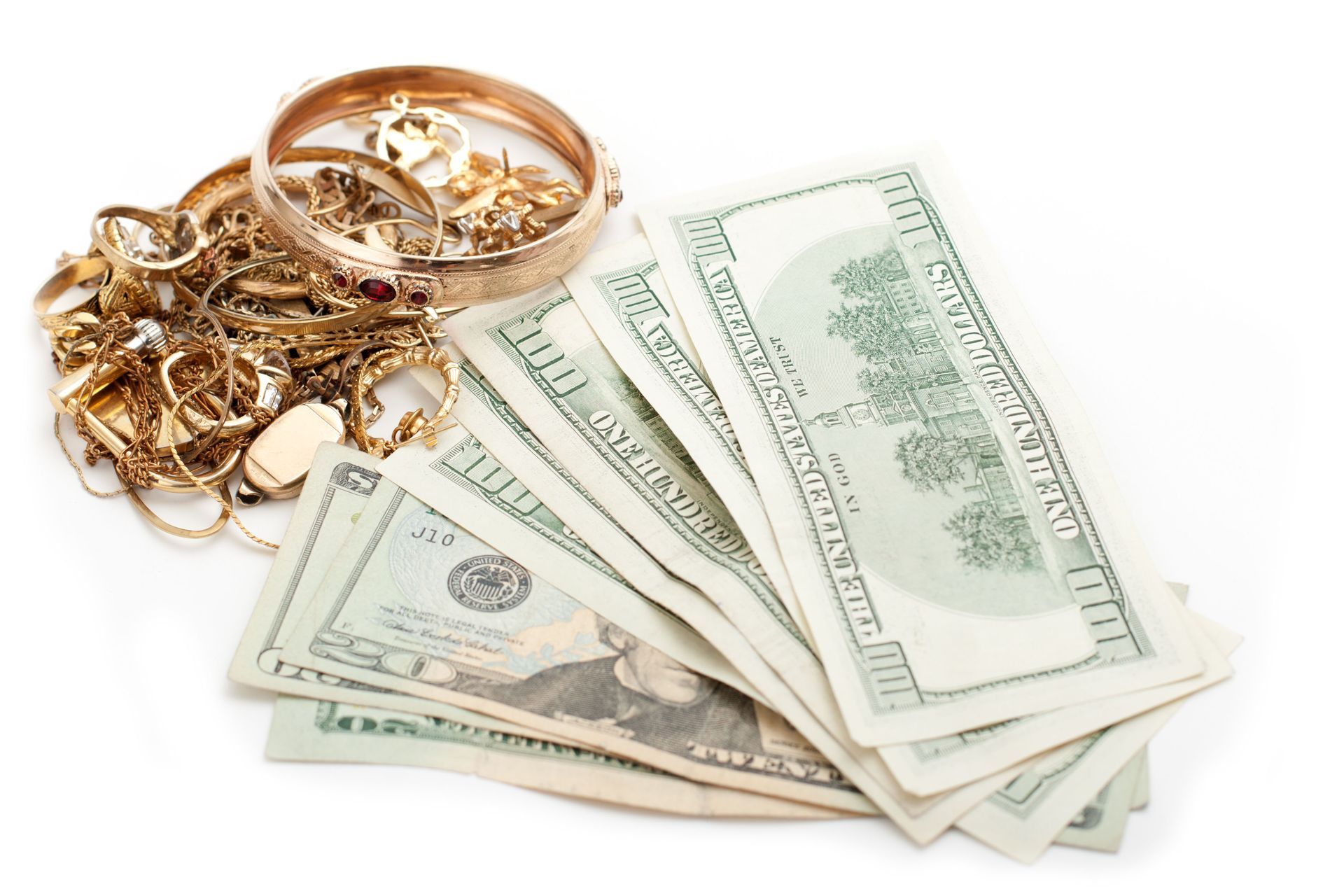
Gold jewelry, coins, bullion, and other precious metal items can retain significant value even when they are no longer wanted or used. Rather than allowing these items to sit in storage, owners can sell them to businesses that specialize in purchasing precious metals. These transactions provide an opportunity to recover money from unwanted valuables while allowing the materials to reenter the precious metals market.
The process involves more than simply weighing and purchasing gold. Cash for gold companies evaluate different items, identify their material and collectible value, and determine the most appropriate ways to handle them after acquisition. Depending on their condition, composition, and market demand, purchased items may be resold, incorporated into collections, or sent for refining and reuse. This approach creates several opportunities to extend the usefulness of precious metals while supporting a marketplace that serves collectors, investors, and manufacturers.
Evaluating Precious Metals and Identifying Their Potential
Assessing Gold Content and Overall Item Value
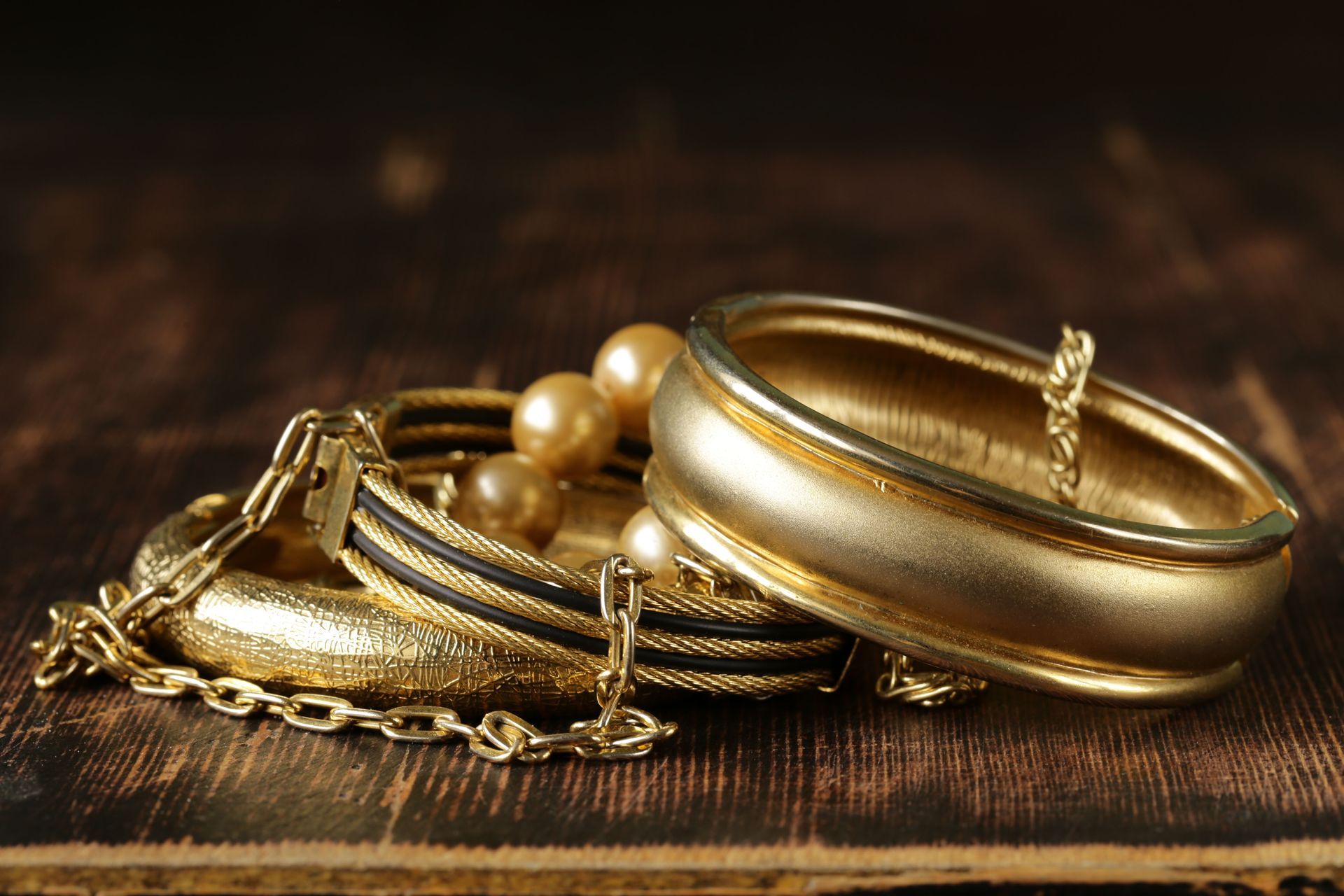
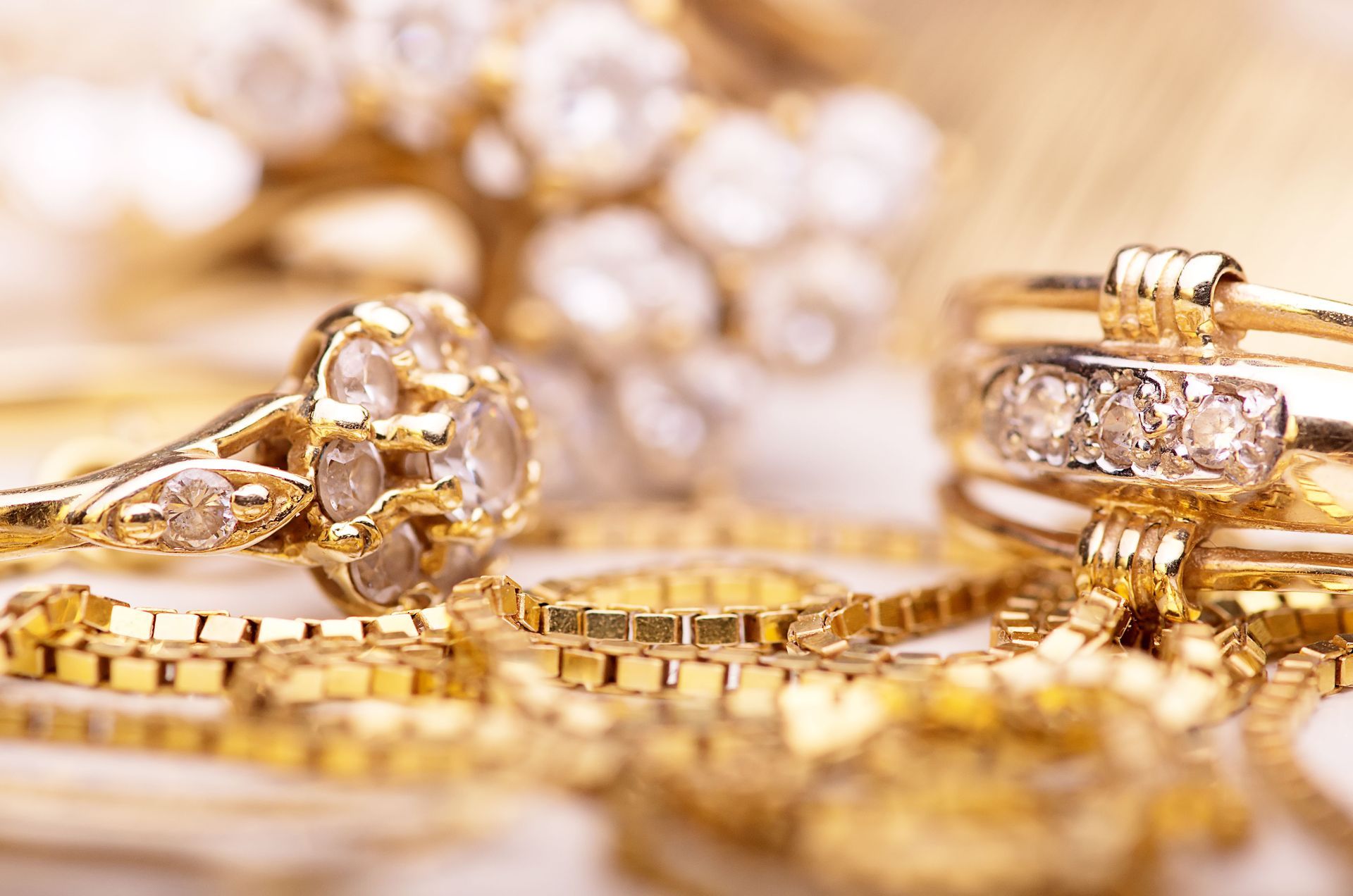
The first step in repurposing valuable items is determining what they contain and how much they are worth. Cash for gold businesses examine jewelry, coins, bullion, and other precious metal products to establish their gold content and potential resale value. This evaluation typically considers purity, weight, condition, and current precious metal market prices. Gold jewelry, for example, may feature different karat ratings that indicate the proportion of pure gold within the metal. Items containing gemstones or other valuable components may also require additional consideration during the appraisal process.
Professional evaluations also help distinguish items with additional value beyond their precious metal content. Some coins, jewelry pieces, and collectibles may attract buyers because of their rarity, historical significance, craftsmanship, or recognizable designs. These characteristics can make an item more valuable as a collectible than as raw material. Identifying these qualities helps determine whether an item should remain intact for resale or be directed toward another use. A thorough assessment also helps prevent potentially desirable pieces from being overlooked during the purchasing process.
Recognizing Items With Collectible and Historical Significance
Not every valuable item is purchased solely for its gold content. Certain coins and currency carry numismatic value that reflects their age, rarity, historical background, and appeal to collectors. Pre-1933 U.S. gold coins and pre-1935 U.S. silver dollars, for instance, may attract specialized interest because of their historical significance and limited availability. Foreign coins can also appeal to collectors interested in particular countries, periods, or minting traditions.
Experienced cash for gold dealers evaluate these characteristics before deciding how to handle an acquisition. A rare coin in good condition may be preserved and offered to another collector rather than melted down for its metal content. Similarly, distinctive jewelry and high-end designer pieces may retain value through resale. Recognizing these opportunities helps keep historically and artistically significant items in circulation while connecting them with people who appreciate their unique qualities. Professional knowledge of grading standards, coin varieties, and historical periods can also help distinguish ordinary pieces from particularly desirable examples.
Finding New Markets for Purchased Gold and Silver
Reselling Jewelry, Coins, and Precious Metal Products
One way purchased items are repurposed is through resale. Cash for gold businesses may acquire jewelry, coins, bullion, and other precious metal products that still have appeal in the marketplace. Instead of breaking down every acquisition, dealers can offer suitable pieces to collectors, investors, and individuals interested in purchasing gold or silver. This approach allows usable products to continue serving their original purpose while providing buyers with additional purchasing opportunities.
Resale is particularly relevant for recognizable coins and investment-grade precious metals. Gold and silver coins may attract buyers who value their metal content, historical features, or collectible qualities. Bullion bars and rounds can also appeal to individuals seeking tangible precious metal investments. By identifying appropriate buyers, dealers help purchased products find new owners without requiring the materials to undergo unnecessary processing. The availability of different products also gives customers opportunities to compare weights, purity levels, designs, and collectible characteristics before making a purchase.
Connecting Valuable Items With Interested Collectors
Specialized buyers and collectors represent another important part of the precious metals marketplace. Some individuals search for particular coin dates, mint marks, denominations, or historical issues to complete an existing collection. Others may be interested in foreign currency, rare banknotes, or distinctive precious metal pieces. Dealers with established industry connections can help match interests with available inventory.
This process creates opportunities for purchased items to reach people who recognize their specific value. A coin that no longer interests its previous owner may become an important addition to someone else's collection. Likewise, rare currency and historically significant pieces can continue circulating among enthusiasts rather than being treated exclusively as sources of recyclable material. These transactions support the collectibles market and give distinctive items opportunities for continued appreciation and preservation. For cash for gold dealers, maintaining relationships with collectors and investors can also help identify demand for particular acquisitions.
Recycling Precious Metals for Future Use
Understanding the Role of Gold Recycling
When purchased items are unsuitable for resale or collectible preservation, recycling offers another way to recover their value. Gold jewelry that is damaged, outdated, incomplete, or otherwise difficult to sell as a finished product may be sent to a precious metal refinery. During refining, the gold is separated from other materials and processed to produce metal that can be used in new manufacturing applications. This allows even broken chains, mismatched earrings, and worn jewelry to retain value through their material composition.
Recycling also contributes to the broader supply of precious metals available to the market. According to the World Gold Council, newly mined gold generally accounts for approximately 75% of the world's annual supply, while recycled gold makes up the remaining portion needed to satisfy total demand. This demonstrates how recovered gold supplements newly extracted material and helps maintain an ongoing supply for various industries. Rather than remaining unused, previously purchased gold can become a resource for producing new products. The continued recovery of existing materials also provides an alternative source of supply when mining alone does not meet market requirements.
Preparing Recovered Gold for New Applications
Once gold reaches a refinery, it undergoes processing to separate it from alloys, solder, gemstones, and other materials. The resulting metal can be refined to a high level of purity and prepared for future manufacturing. Recovered gold may eventually become part of new jewelry, coins, bullion products, or other goods that require precious metals. This process gives older materials another purpose while reducing the need to rely exclusively on newly mined resources.
Silver and other precious metals can also follow similar recycling pathways. Sterling silver flatware, figurines, candlesticks, jewelry, and certain collectible items may contain recoverable silver that can be separated and reused. The specific handling process depends on the material's composition and condition. Through these practices, precious metal dealers and recycling partners help keep valuable materials in circulation and support continued production across different markets. For cash for gold businesses, these partnerships provide an additional avenue for handling items that do not have a practical resale market.
Cash for gold companies play an important role in giving unwanted precious metal items new opportunities for use. Through careful evaluations, resale opportunities, collector connections, and refining processes, these businesses help preserve distinctive products and recover valuable materials. Whether an item becomes part of another collection or supplies raw materials for new manufacturing, its value can extend well beyond its original purpose. Selling unwanted gold and silver can therefore provide financial benefits while contributing to the continued circulation and reuse of precious metals.
Contact Golden Peaks Coin, Gold & Silver to learn how our cash for gold services can help turn unwanted precious metals into valuable returns.

Share On: